



In the age of continuous technological development, the manufacturing and engineering industries are undergoing a true revolution, thanks to the possibilities offered by 3D scanning and reverse engineering. These modern technologies are becoming indispensable tools in the process of creating, designing, and optimizing products. Join us in exploring a topic that sheds light on the power of these solutions in industry.
Drifting, a motorsport in which the driver controls the vehicle's slip throughout the turn, requires not only skill and precision from the drivers but also vehicles designed with maximum control and performance in mind. This is where 3D scanning and reverse engineering play a key role, enabling the creation and optimization of car parts that are not only efficient but also tailored to the unique requirements and driving style of each drifter.
3D Scanning: A Revolution in Reproducing Physical Details
3D scanning has revolutionized the way we approach reproducing and analyzing physical details. This technology allows for the quick and precise transfer of real-world objects into the digital realm, offering unparalleled detail and precision. As a result, engineers and designers can not only thoroughly examine complex components but also efficiently work on improving them.
Measurement Precision: Resolution up to 0.1mm in 3D Modeling
One of the key aspects of 3D scanning is the ability to obtain measurements with incredible precision, reaching up to 0.1 mm. This measurement accuracy opens new possibilities in 3D modeling, enabling the creation of models with a high level of detail. As a result, a faithful replica of the original can be obtained, which is invaluable in many engineering and design applications.
Applications of 3D Scanning in Spare Parts Production
In the context of the automotive industry, 3D scanning is also revolutionizing the way companies approach vehicle maintenance, repair, and optimization. It allows for the rapid and precise reconstruction of custom parts for classic cars, specialized tuning spare parts, or even racing components that require the highest precision. This enables manufacturers and workshops to not only respond more quickly to customer needs but also offer solutions that would be impossible to achieve with traditional methods. This opens up new opportunities for automotive enthusiasts, collectors, and racing teams, giving them access to parts that perfectly match original specifications and enhance vehicle performance.
From Measurement to Model: 3D Scanning in Practice
3D scanning is a technology that allows for the precise capture of the shape and dimensions of physical objects, converting them into accurate digital models. This process opens the door to countless possibilities, from prototyping to quality control. Here’s how 3D scanning is used in practice:
- Digitalization of physical objects - quickly capturing the details and dimensions of the object.
- Quality control - comparing the dimensions of the digital model with the original object to detect deviations.
- Prototyping and testing - creating prototypes based on data from 3D scanning, enabling quick testing and modifications.
- Reconstruction and maintenance - reproducing damaged or worn-out components by scanning remaining parts and creating complete 3D models.
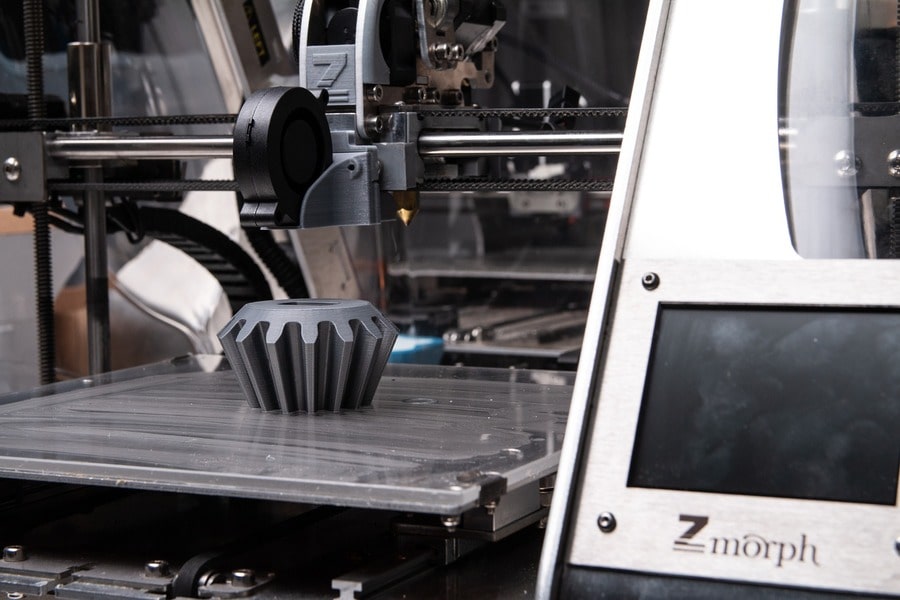
- Integration with other technologies - combining 3D scanning with 3D printing, CAD, and virtual simulation for fuller utilization of models.
- Customization and adaptation - creating personalized products based on precise measurements and customer preferences.
3D scanning in practice is not just a technology of the future but a tool that is already influencing how we create, design, and manufacture. Thanks to it, greater precision, efficiency, and flexibility are achievable in production and engineering processes.
In Conclusion
3D scanning and reverse engineering are not just technologies of the future, but tools that are already defining the directions of industrial development. They enable companies to not only efficiently manage resources and production processes but also face market challenges through innovation and adaptation. In the era of digitization and automation, 3D scanning and reverse engineering are key to success for businesses striving to achieve a competitive advantage through technological excellence.

